Buying guides
Lab-Grown vs Natural Diamonds: Which Is Better? An Honest Jeweller's Comparison (2026)
Updated · 6 min read
Quick answer
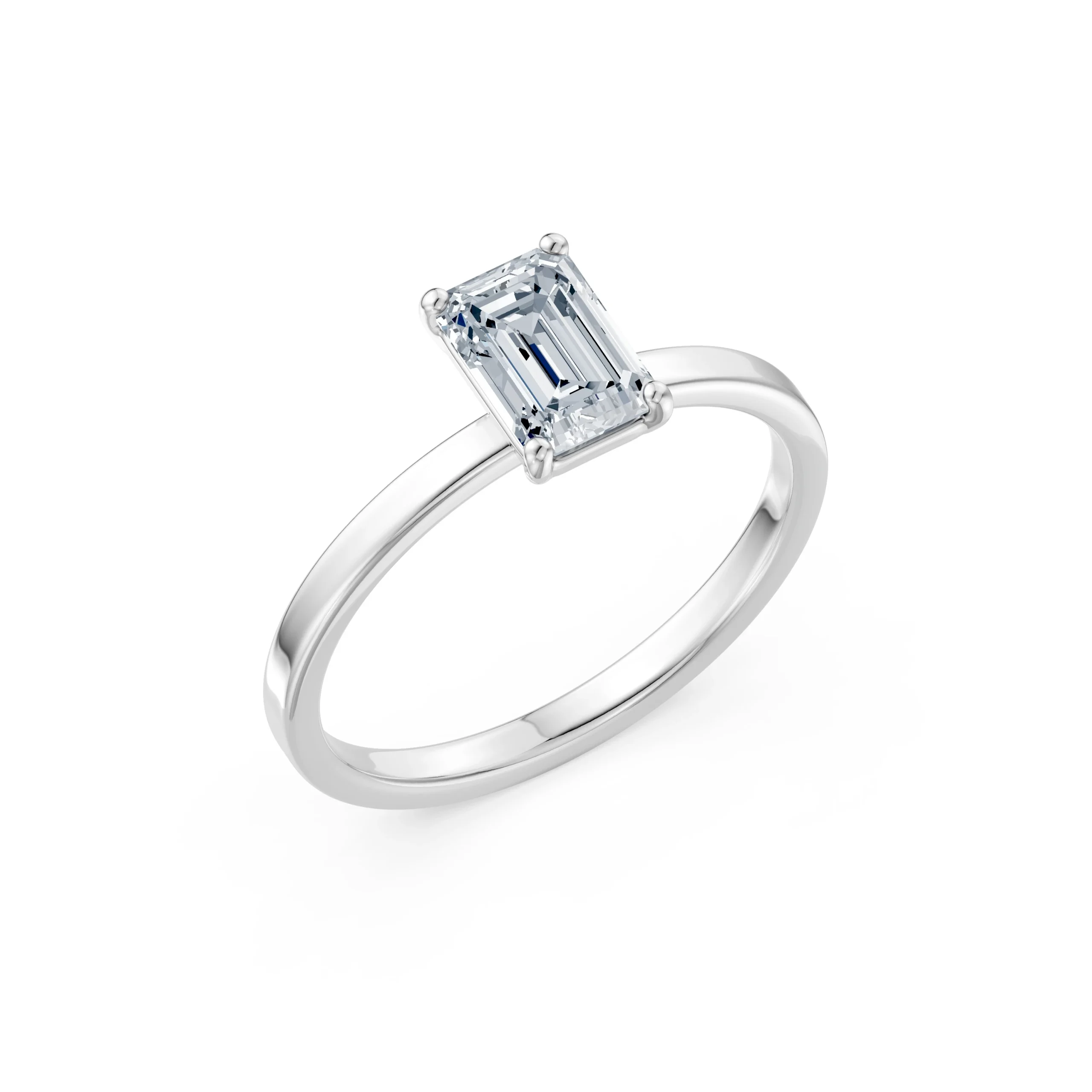
Neither is better in quality: lab-grown and natural diamonds are the same material, with the same hardness, sparkle and durability, and you can't tell them apart by eye. The difference is price, rarity and resale value. Lab-grown is better if you want the biggest, whitest diamond for your budget: a 1.00 ct D/VVS2 solitaire ring in 14k gold is €1,370 lab-grown against €15,750 natural at Azure Chic. Natural is better if rarity, tradition or long-term value matter, and for pieces set with many tiny diamonds, where it costs only a little more.
Lab-grown vs natural diamonds at a glance
| Lab-grown diamond | Natural diamond | |
|---|---|---|
| Real diamond? | Yes: pure carbon, same crystal structure | Yes |
| Hardness | 10 on the Mohs scale | 10 on the Mohs scale |
| Sparkle and look | Identical | Identical |
| How it forms | Grown in weeks by HPHT or CVD | Formed 150–200 km underground over 1 to 3.5 billion years |
| Tell apart by eye? | No | No |
| Price (1.00 ct, D/VVS2, 14k ring) | €1,370 | €15,750 |
| Resale value | Low | Higher, though usually below the purchase price |
| Rarity | Can be produced in quantity | Genuinely rare |
| Grading report | IGI | GIA |
| Best for | Size and value | Rarity, tradition, heirlooms |
Are lab-grown diamonds real diamonds?
Yes. A lab-grown diamond is made of the same pure carbon, arranged in the same crystal structure, as a diamond from a mine. It has the same hardness, the same refractive index (about 2.42) and the same fire. In 2018 the US Federal Trade Commission removed the word "natural" from its definition of a diamond, recognising that a diamond is a diamond whether it was mined or grown.
What differs is origin:
- Natural diamonds formed deep in the Earth's mantle under enormous heat and pressure, and reached the surface through volcanic eruptions.
- Lab-grown diamonds are grown in weeks, either by HPHT (high pressure, high temperature, recreating conditions deep in the Earth) or by CVD (chemical vapour deposition, building the crystal layer by layer from carbon-rich gas).
Lab-grown diamonds are not simulants. Cubic zirconia and moissanite are different materials that look similar; a lab-grown diamond is the real thing.
Price: how much cheaper are lab-grown diamonds?
It depends on the size of the diamond, and this is where most comparisons get it wrong. Below are like-for-like prices from our own catalogue: the same design, in 14k solid gold, with a lab-grown D/VVS2 diamond against a natural diamond of the same D/VVS2 grade and a natural G/VS2 (the most popular natural grade).
| Piece | Lab-grown D/VVS2 | Natural D/VVS2 | Natural G/VS2 |
|---|---|---|---|
| Diamond huggie hoops, 0.32 ct tw | €810 | €1,140 | €1,050 |
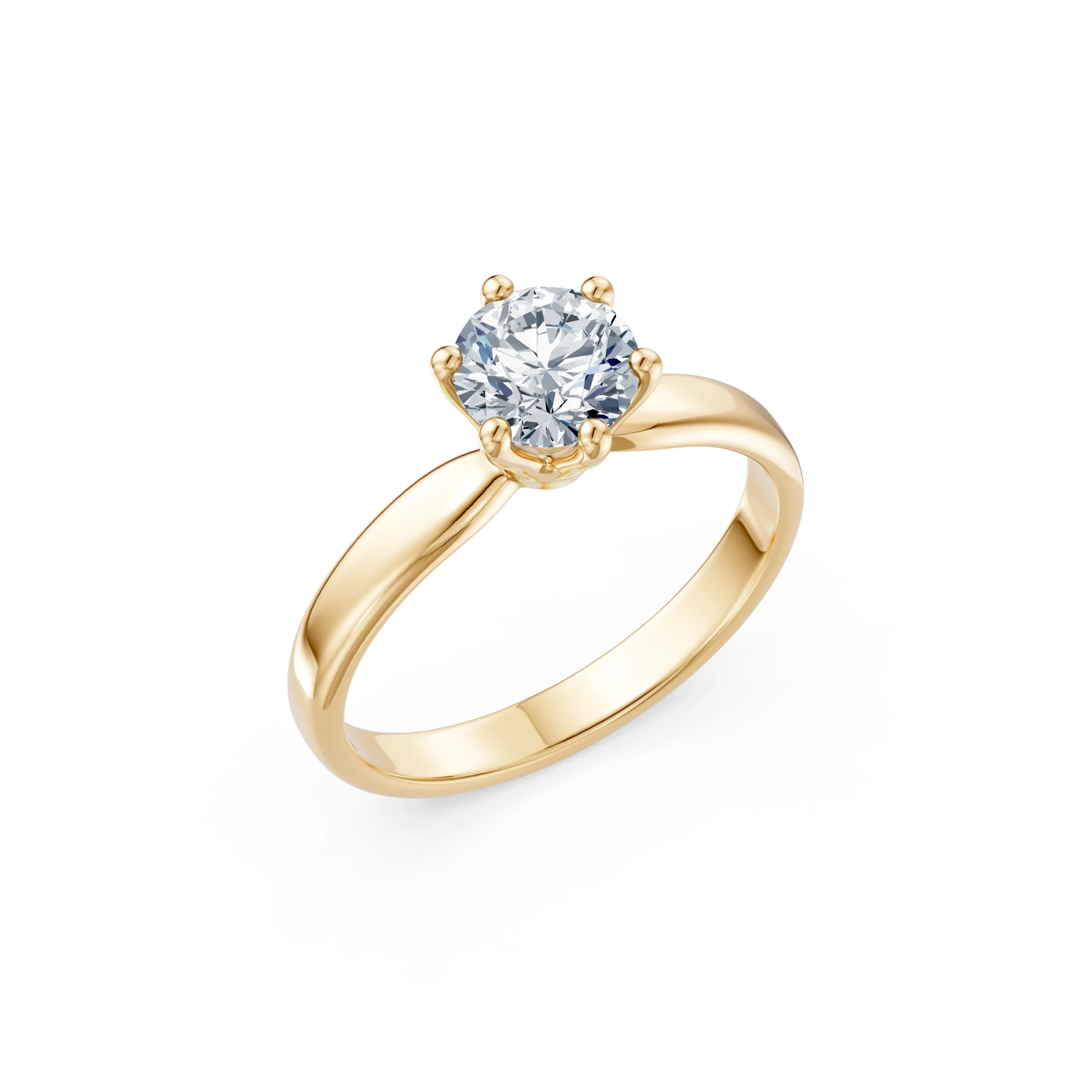
| Solitaire ring, 0.30 ct | €950 | €1,930 | €1,680 |
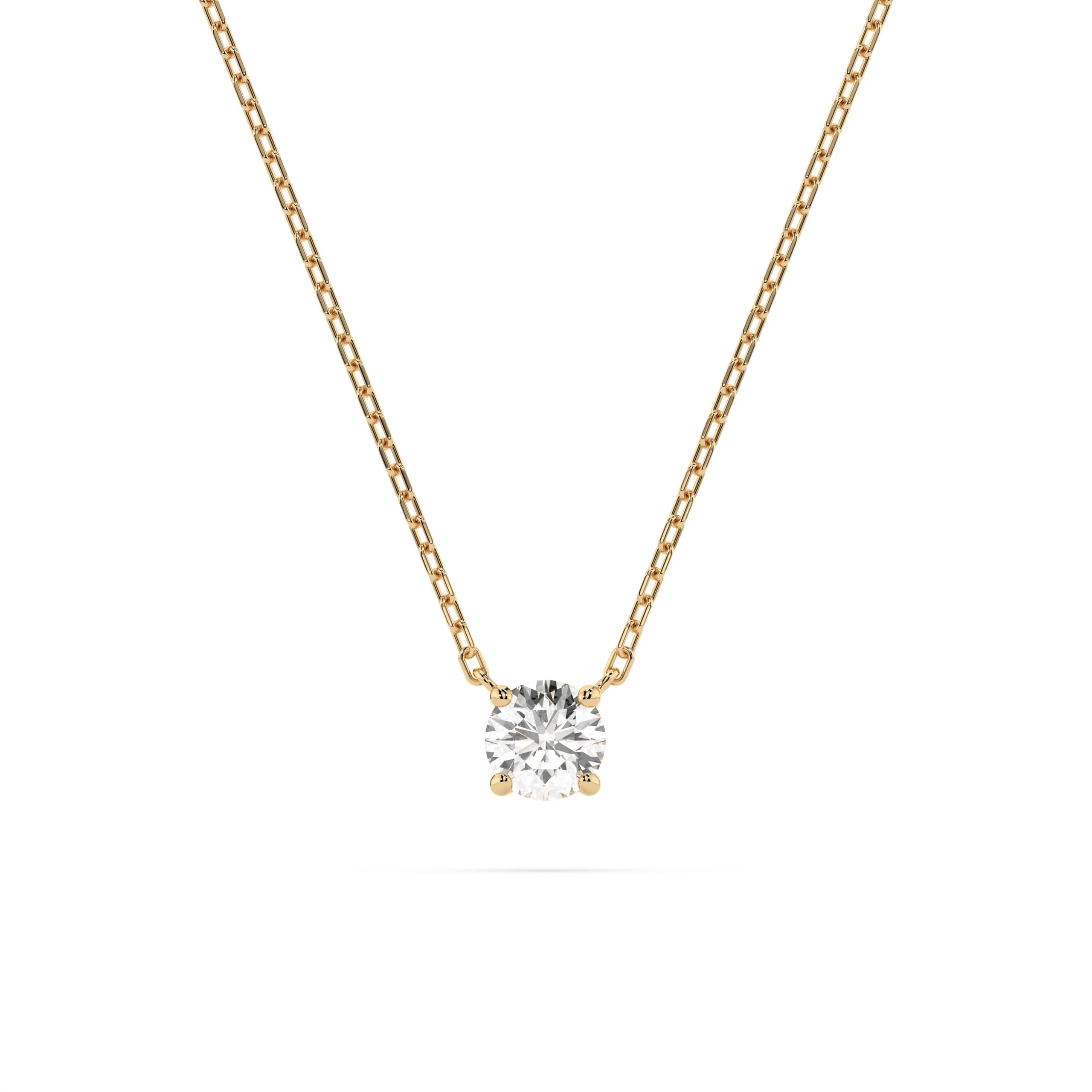
| Solitaire necklace, 0.50 ct | €1,110 | €3,360 | €2,770 |
| Solitaire ring, 0.50 ct | €1,170 | €3,420 | €2,830 |
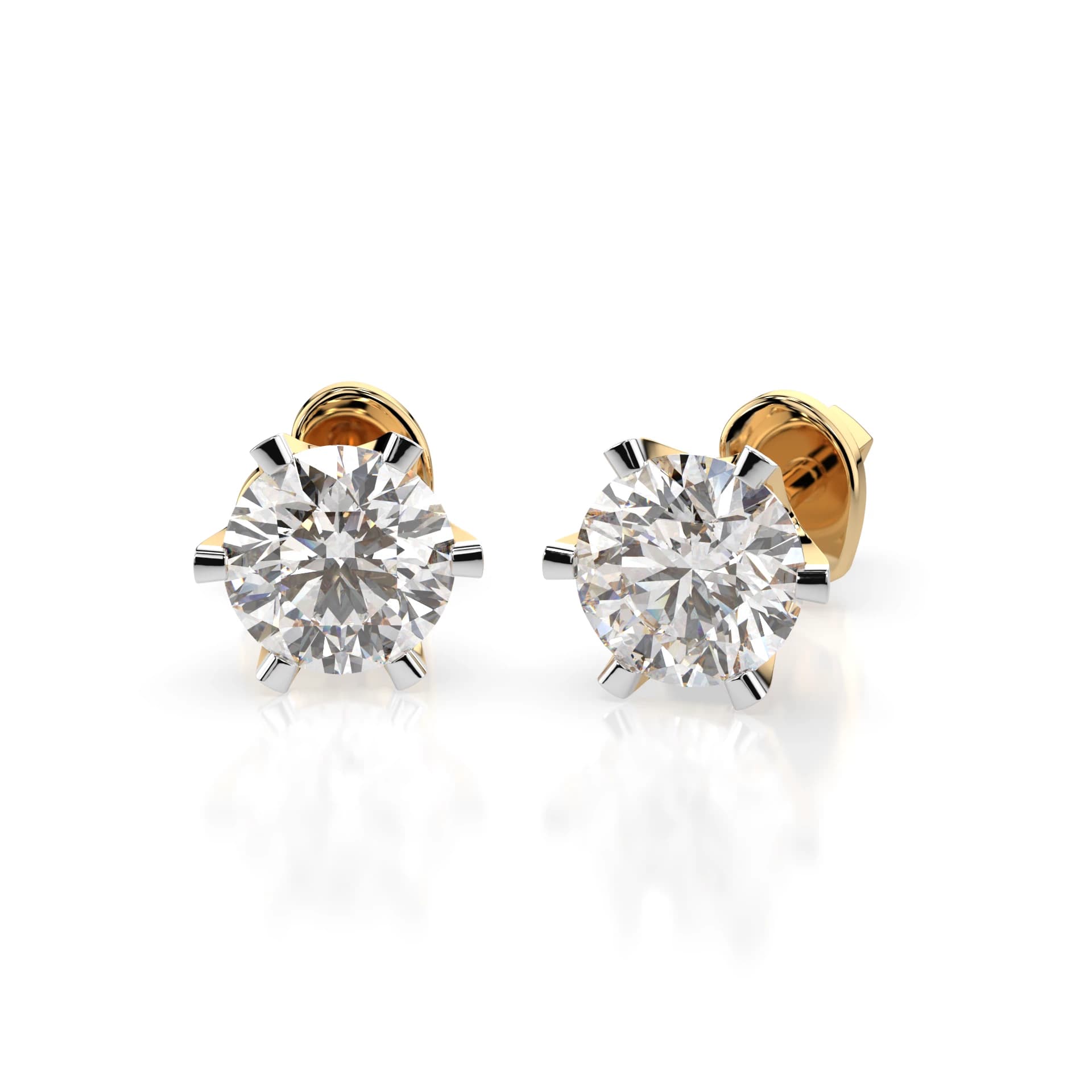
| Stud earrings, 1.00 ct tw | €1,210 | €5,700 | €4,530 |
| Solitaire ring, 1.00 ct | €1,370 | €15,750 | €9,680 |
What this shows:
- Many tiny diamonds (pavé huggies, eternity bands, accent stones): natural costs only about a third more, because most of the price is the gold and the craftsmanship. Here natural is often worth the small extra.
- A single diamond of about 0.30 ct: lab-grown costs roughly half the price of natural.
- Half a carat: lab-grown costs roughly 60–70% less than natural, and about 75% less for 1 ct total weight stud earrings (two half-carat diamonds).
- One carat: the gap is widest, at around 90% less for the same D/VVS2 grade, because large natural diamonds are rare and their price rises steeply with size.
Quality and durability: is one better?
No. Quality depends on the grade, not the origin. A lab-grown diamond and a natural diamond with the same cut, colour and clarity look the same and last the same. Both:
- score 10 on the Mohs scale, so they resist scratches better than any other gemstone;
- never cloud, fade or change colour (any diamond only looks dull when it's dirty);
- are safe to wear every day.
Lab-grown diamonds are often sold in higher colour and clarity grades (D colour, VVS clarity) because those grades cost less to grow than to find. Natural diamonds in the same top grades are expensive, so most natural jewellery uses G to H colour and VS to SI clarity, which still look white and clean to the eye.
Our diamond guide explains the 4Cs (cut, colour, clarity and carat) in two minutes.
Resale value: do lab-grown diamonds hold their value?
This is the biggest real difference.
- Lab-grown diamonds can be produced in quantity, and their prices have fallen sharply in recent years, so their resale value is low: often a small fraction of what you paid.
- Natural diamonds hold more of their value, but they also usually resell for well below the shop price. Only rare, large natural stones have historically been treated as stores of value.
So buy any diamond jewellery to wear and enjoy, not as an investment. If you'd like the diamond to keep some value or become an heirloom, choose natural. If you want the most beautiful piece for your budget, choose lab-grown.
How can you tell a lab-grown diamond from a natural one?
Not by eye, and not with a standard diamond tester, which reads both as diamond. Gemmological laboratories use specialised equipment that detects tiny differences in how the crystal grew.
For you as a buyer, the grading report is what matters:
- IGI (International Gemological Institute) grades lab-grown diamonds on the full 4Cs. Certified lab-grown diamonds at Azure Chic come with an IGI report.
- GIA (Gemological Institute of America) grades natural diamonds. Certified natural diamonds at Azure Chic come with a GIA report. Since October 2025, GIA describes lab-grown diamonds as "premium" or "standard" instead of giving them colour and clarity grades.
Certified diamonds usually carry a tiny laser inscription on the edge (girdle) that matches the report number, which you can check on the laboratory's website. Every reputable seller should tell you clearly whether a diamond is natural or lab-grown; at Azure Chic the diamond type is stated on every product page and on your order.
Ethics and the environment
There's no simple winner here, so be wary of anyone who says otherwise.
- Lab-grown diamonds involve no mining and their origin is fully traceable. Growing them takes a lot of electricity, so their footprint depends on how that power is produced.
- Natural diamonds come from mining, which disturbs land, but the trade in rough diamonds is regulated by the Kimberley Process, and diamond mining supports whole economies, particularly in southern Africa.
If ethics is your deciding factor, ask the seller about origin and choose the option that matches your values.
Which should you choose? Our honest recommendation
- Engagement ring on a budget, or you want a bigger stone: lab-grown. You get a 1 ct D/VVS2 diamond for the price of a much smaller natural one. See are lab-grown engagement rings worth it? and our best engagement rings under $5,000.
- Engagement ring as a future heirloom: natural, in the best grade your budget allows. G colour and VS2 clarity is the sweet spot.
- Stud earrings of half a carat or more: lab-grown. Nobody looks at earrings through a loupe, and the savings are large.
- Dainty pieces set with many tiny diamonds (pavé huggies, eternity bands): natural. It costs only a little more.
- A gift where the meaning matters most: either. A real diamond in solid gold is a lifetime gift whichever you choose. Browse our jewellery gifts.
Whichever you choose, insist on solid gold (not plated), a stated diamond grade, and a grading report for larger stones.
Buying natural or lab-grown diamonds from Azure Chic
We've sold jewellery online from Limassol, Cyprus since 2014, and we offer most diamond designs in both natural and lab-grown, so you can compare honestly:
- Solid 9k, 14k or 18k gold, in yellow, white or rose gold.
- The diamond type and grade are stated clearly on every piece.
- Free insured, tracked shipping worldwide and 30-day returns on unworn pieces.
- Secure checkout with Visa, Mastercard and American Express.
Questions about a specific diamond? Message us on WhatsApp at +357 99 846847 or email sales@azurechic.com.
Frequently asked questions
Which is better, lab-grown or natural diamonds?
Neither is better in quality; they are physically and optically the same. Lab-grown is better for size and value for money, natural is better for rarity, tradition and resale value. For pieces set with many tiny diamonds, natural costs only a little more.
Are lab-grown diamonds real diamonds?
Yes. They are pure carbon in the same crystal structure as mined diamonds, with the same hardness and sparkle. They are not simulants like cubic zirconia or moissanite.
How much cheaper are lab-grown diamonds than natural diamonds?
It depends on size. For pieces set with many tiny diamonds the difference is modest, because the gold makes up much of the price. A single 0.30 ct diamond is about half the price lab-grown, half a carat roughly 60–70% less, and at one carat around 90% less for the same grade: €1,370 against €15,750 for a 1.00 ct D/VVS2 solitaire ring in 14k gold at Azure Chic.
Can a jeweller tell if a diamond is lab-grown?
Not by eye or with a standard diamond tester. Only specialised laboratory equipment can tell them apart, which is why the grading report and the seller's description matter.
Do lab-grown diamonds last as long as natural diamonds?
Yes. They have the same hardness (10 on the Mohs scale) and will not cloud, fade or change colour, so they last a lifetime with normal care.
Do lab-grown diamonds have resale value?
Very little. Lab-grown diamonds usually resell for a small fraction of the purchase price. Natural diamonds keep more of their value, but they also typically resell below what you paid.
Which certificate should a diamond have?
An IGI report for a lab-grown diamond and a GIA report for a natural diamond. Check that the report number matches the laser inscription and the laboratory's online record.
First published by the Azure Chic team in Limassol, Cyprus. Questions? Email sales@azurechic.com.