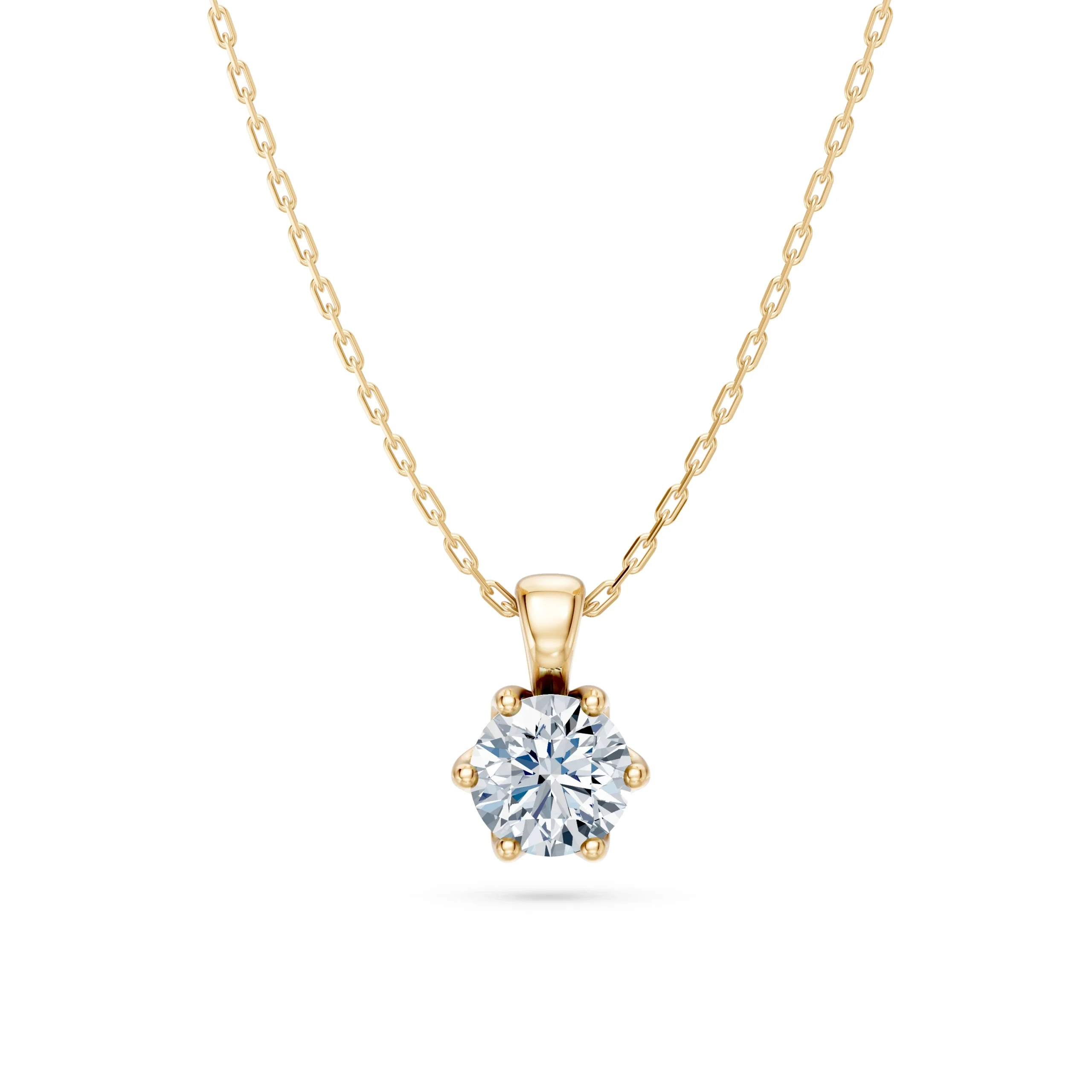
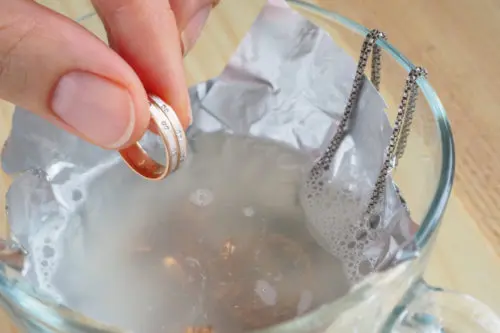
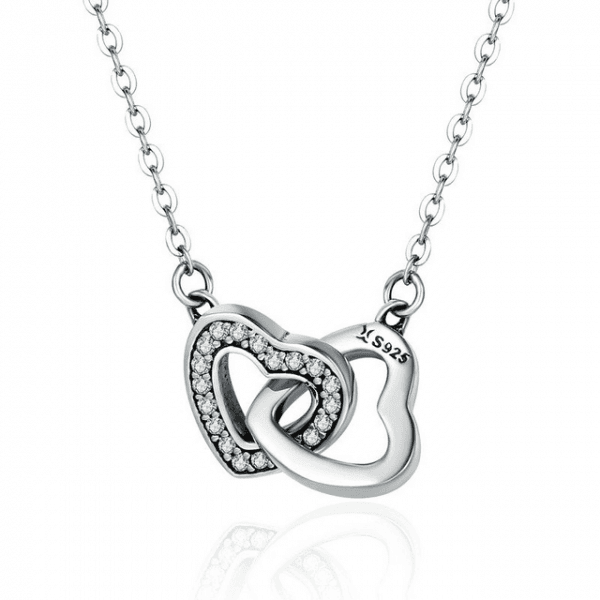
Jewellery care
Waterproof Gold Jewelry: Which Gold Can You Shower, Swim and Sleep In?
Updated · 6 min read
Quick answer
Solid gold is the only truly waterproof gold jewelry (jewellery, in British English). Solid 9k, 14k and 18k gold is gold all the way through, so water can't make it rust, tarnish or fade, and you can shower, wash your hands and swim in the sea wearing it. Gold-plated jewellery is not waterproof: the gold is a very thin surface layer that water, soap and sweat wear away. Gold vermeil and gold-filled sit in between. Even with solid gold, take it off in chlorinated pools and hot tubs, because chlorine can attack the metals mixed with the gold and weaken the claws that hold diamonds.
Is gold jewellery waterproof? The quick answer by type
| Type | How much gold | Shower | Sea | Pool / hot tub | Lasts |
|---|---|---|---|---|---|
| 18k solid gold | 75% gold, all the way through | Yes | Yes, rinse after | Take it off | A lifetime |
| 14k solid gold | 58.5% gold, all the way through | Yes | Yes, rinse after | Take it off | A lifetime |
| 9k solid gold | 37.5% gold, all the way through | Yes | Yes, rinse after | Take it off | A lifetime |
| Gold-filled | A thick gold layer bonded to a base metal | Now and then | Briefly | No | Years, with care |
| Gold vermeil | A thicker gold layer over sterling silver | Avoid | Avoid | No | Months to years |
| Gold-plated | A very thin gold layer over another metal | No | No | No | Months |
The rule of thumb: the thicker the gold, the more water it can take. Only solid gold has no layer to wear through.
Why solid gold can get wet
Pure gold doesn't react with water or air, which is why ancient gold coins come out of the sea still shining. Solid gold jewellery is pure gold mixed with small amounts of other metals (silver, copper, zinc or palladium) to make it harder:
- 9k gold is 37.5% gold
- 14k gold is 58.5% gold
- 18k gold is 75% gold
Because the gold runs all the way through the piece, there is no plating to wear off. Water, soap and sweat won't change its colour, it won't rust, and it won't turn your skin green. That's why solid gold is the material for jewellery you never take off: wedding bands, engagement rings, diamond studs and everyday necklaces. Our gold guide explains the difference between 9k, 14k and 18k in more detail.
Which karat is most water-resistant? The higher the karat, the more gold and the less of the other metals that can react with chemicals. 18k is the most resistant, 14k is the best balance of colour and toughness for daily wear, and 9k is the hardest and most affordable.
The one exception: chlorine
Chlorine in swimming pools and hot tubs is the real enemy of gold jewellery, even solid gold. Over time it can attack the alloy metals mixed with the gold, which can cause:
- Discolouration and dull patches, especially on lower karats with more alloy.
- Weakened claws (prongs). Repeated exposure can make the metal brittle, which is how diamonds get lost.
So the simple rule is: shower and sea yes, pool and hot tub no. Cleaning products and bleach have the same effect, so take rings off before cleaning too.
Gold-plated, vermeil and gold-filled: what water does to them
Gold-plated jewellery
A thin layer of gold is bonded to another metal, often brass or sterling silver. Water on its own won't remove it overnight, but soap, shampoo, sweat, perfume and friction slowly wear the layer away, revealing the metal underneath. Keep gold-plated pieces dry: take them off for showers, swimming, the gym and washing up.
Gold vermeil
Vermeil is sterling silver with a thicker layer of gold. It lasts longer than standard plating, but it's still a coating. Occasional splashes are fine; daily showers and swims shorten its life.
Gold-filled
A much thicker layer of gold is pressure-bonded to a base metal. It handles water better than plating or vermeil, but long or repeated exposure, especially to chlorine or salt, still wears it down over time.
What about "waterproof" plated jewellery?
Some brands sell plated jewellery as "waterproof" because of a thicker coating or a protective layer. It's more durable, but any coating can wear through eventually. If you want gold that will genuinely never wear off, solid gold is the only material that guarantees it.
Is sterling silver waterproof?
Water itself doesn't damage sterling silver, but chlorine, salt water and sulphur in the air make silver tarnish (turn dark). Showering in silver now and then won't ruin it, but it will tarnish faster. Take silver off for swimming, dry it after contact with water, and polish it with a soft cloth. Our guide to cleaning sterling silver shows how to bring the shine back.
This applies to our silver and gold-plated range: beautiful for everyday style, but best kept dry. Our solid gold Fine Jewellery is the one to wear in the shower.
Can you shower, swim and sleep in gold jewellery?
- Showering in solid gold: yes. Rinse off soap and shampoo now and then, because soap film dulls the sparkle of diamonds (it doesn't harm them).
- Swimming in the sea: solid gold is fine; rinse it in fresh water afterwards. Cold water makes fingers shrink, so rings can slip off: take valuable rings off before swimming.
- Swimming pools and hot tubs: take all jewellery off, even solid gold.
- The gym: solid gold doesn't mind sweat, but take rings off for weights to avoid scratches and bent claws.
- Sleeping: small studs, huggies and fine chains in solid gold are fine to sleep in; larger pendants and bracelets can tangle or catch.
- Sunscreen and lotion: they don't harm solid gold, but they leave a film on diamonds. Put jewellery on after creams have soaked in.
What about white gold and diamonds?
- White gold is solid gold with a bright rhodium coating on top. The gold underneath is waterproof, but the rhodium slowly wears with daily wear (water and chlorine speed this up), showing a slightly warmer tone. A jeweller can re-plate it with rhodium every few years.
- Diamonds are the hardest natural material, and water can't damage them, whether natural or lab-grown. The risk is the setting: check that the claws are tight once a year. Bezel settings, where gold wraps around the diamond, are the most secure for everyday wear.
How to care for gold jewellery that gets wet
- Dry it with a soft, lint-free cloth after showers or swims.
- Clean it monthly: soak for 15 minutes in warm water with a drop of mild washing-up liquid, brush gently with a soft toothbrush (especially behind diamonds), rinse and dry.
- Avoid chlorine, bleach and harsh cleaners, and never use toothpaste on gold.
- Store each piece separately so chains don't tangle and diamonds don't scratch other jewellery.
- Check the claws on diamond jewellery once a year.
See our jewellery care guide for more.
The best waterproof gold jewellery for everyday wear
If you want jewellery you never have to take off (apart from the pool), choose solid 14k or 18k gold in simple, snag-free shapes:
- Diamond stud earrings: small and secure; diamond studs.
- Huggie hoops: sit close to the ear and are comfortable to sleep in; diamond hoops and huggies.
- Bezel-set and floating solitaire necklaces: nothing to catch on clothes or hair; diamond necklaces.
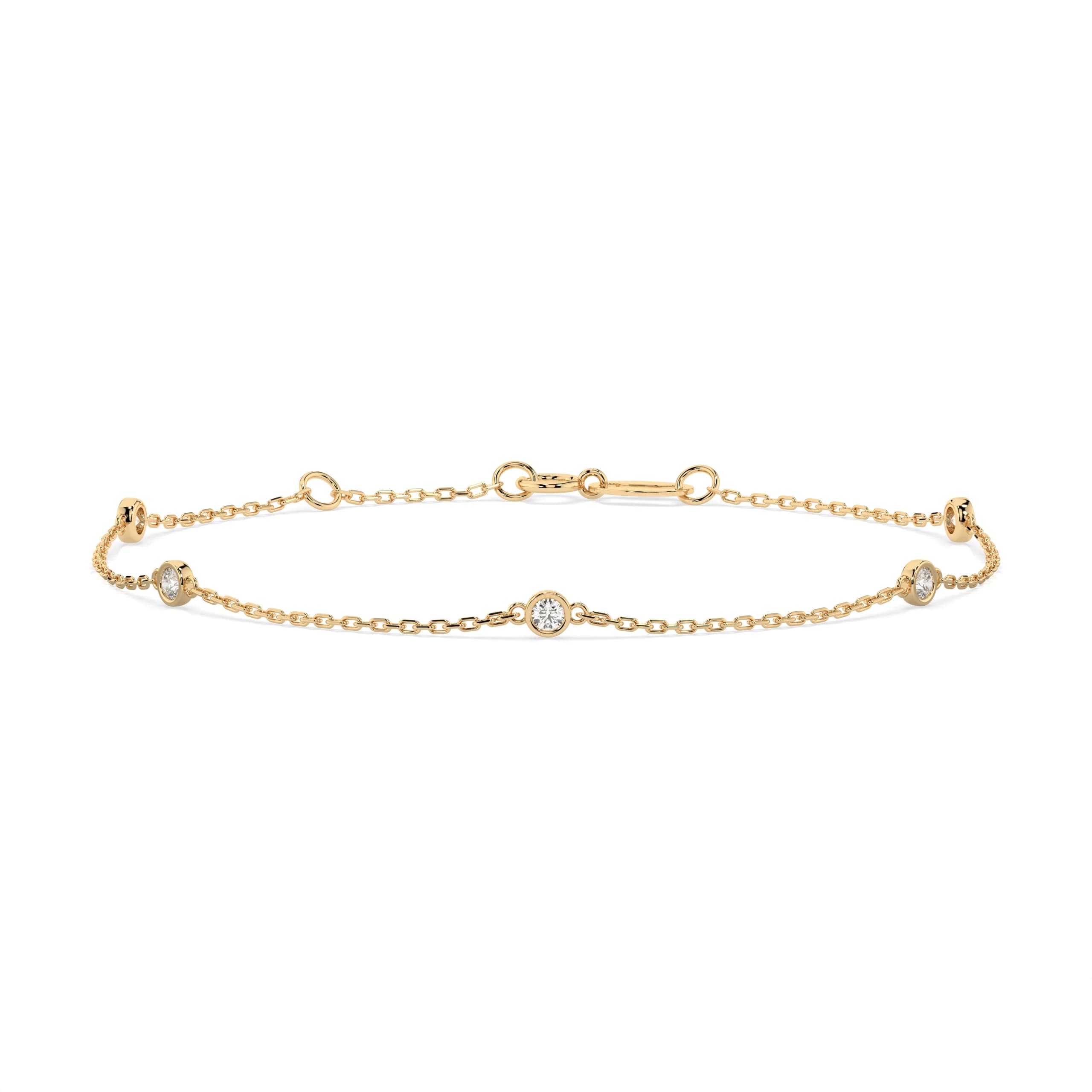
- Fine chain bracelets: lightweight, with diamonds set close to the chain; diamond bracelets.
Every Azure Chic Fine Jewellery piece is solid 9k, 14k or 18k gold, set with natural or lab-grown diamonds.
Frequently asked questions
Is 14k gold waterproof?
Yes. 14k gold is 58.5% gold all the way through, so water won't make it tarnish, rust or fade, and you can shower and swim in the sea wearing it. Take it off in chlorinated pools and hot tubs, because chlorine can damage the alloy and weaken the claws holding diamonds.
Can you shower with solid gold jewellery?
Yes. Solid 9k, 14k and 18k gold can be worn in the shower. Rinse off soap now and then, because soap film dulls the sparkle of diamonds, and dry the piece with a soft cloth.
Is gold-plated jewellery waterproof?
No. Gold-plated jewellery has a very thin layer of gold on another metal, and soap, sweat, perfume and friction wear it away. Keep plated pieces dry for them to last longer.
Is 18k gold better than 14k gold in water?
18k gold (75% gold) contains less of the metals that can react with chemicals, so it's slightly more resistant. 14k gold (58.5%) is harder and the best balance for everyday wear. Both are fine in the shower and the sea.
Does chlorine damage gold?
Yes, over time. Chlorine in pools and hot tubs can discolour gold alloys and make the metal brittle, which can loosen the claws that hold stones. Take all jewellery off before swimming in a pool.
Can I swim in the sea with gold jewellery?
Solid gold is fine in salt water; rinse it in fresh water afterwards. Rings can slip off in cold water, so take valuable rings off before swimming. Plated, vermeil and silver jewellery should stay dry.
Does water damage diamonds?
No. Diamonds, natural or lab-grown, are the hardest natural material and water can't harm them. Soap, lotion and oils can leave a film that dulls their sparkle, which a gentle clean removes.
Can I sleep in my gold jewellery?
Small solid gold studs, huggies and fine chains are comfortable to sleep in. Take off larger pendants, bracelets and rings with tall settings, which can tangle or catch.
First published by the Azure Chic team in Limassol, Cyprus. Questions? Email sales@azurechic.com.