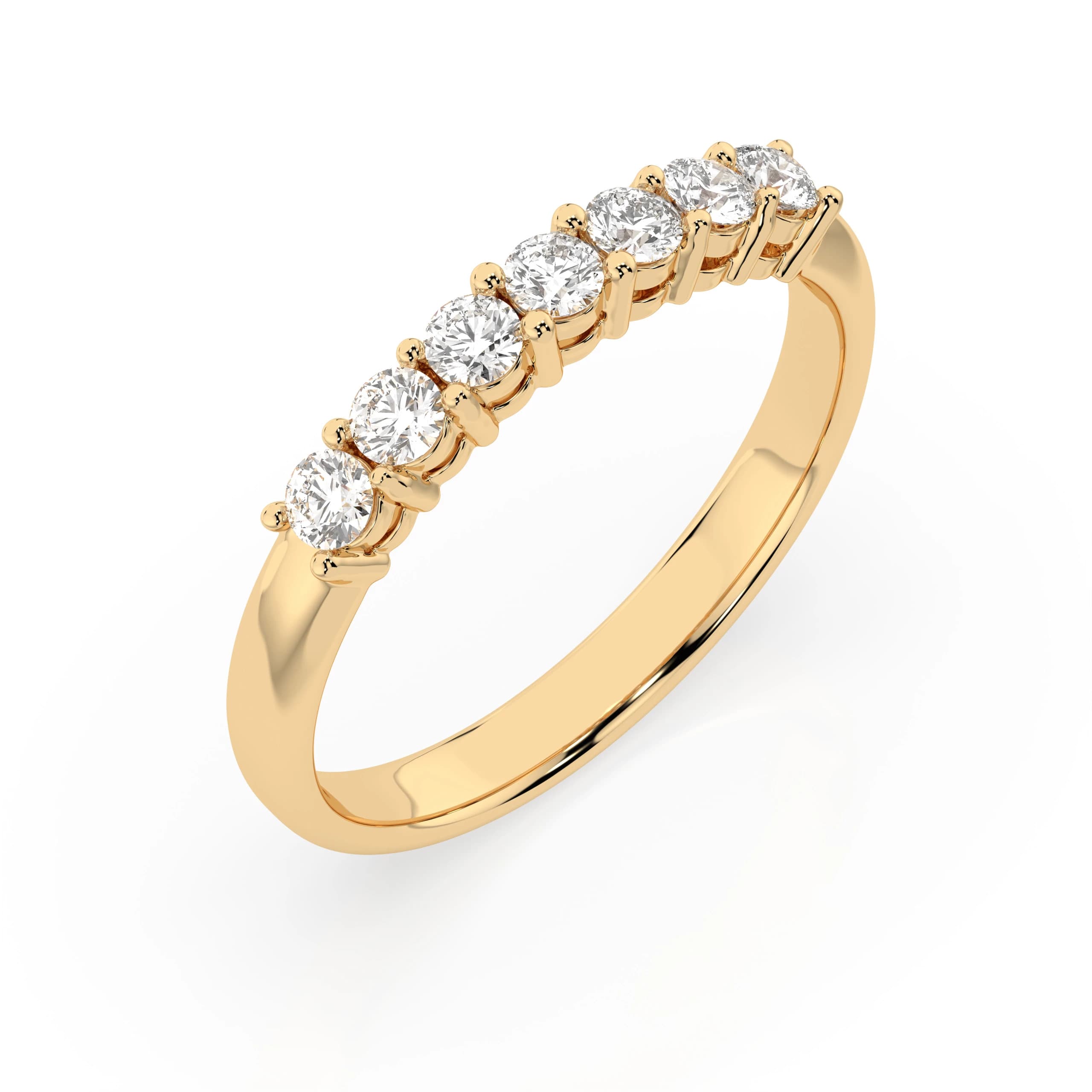
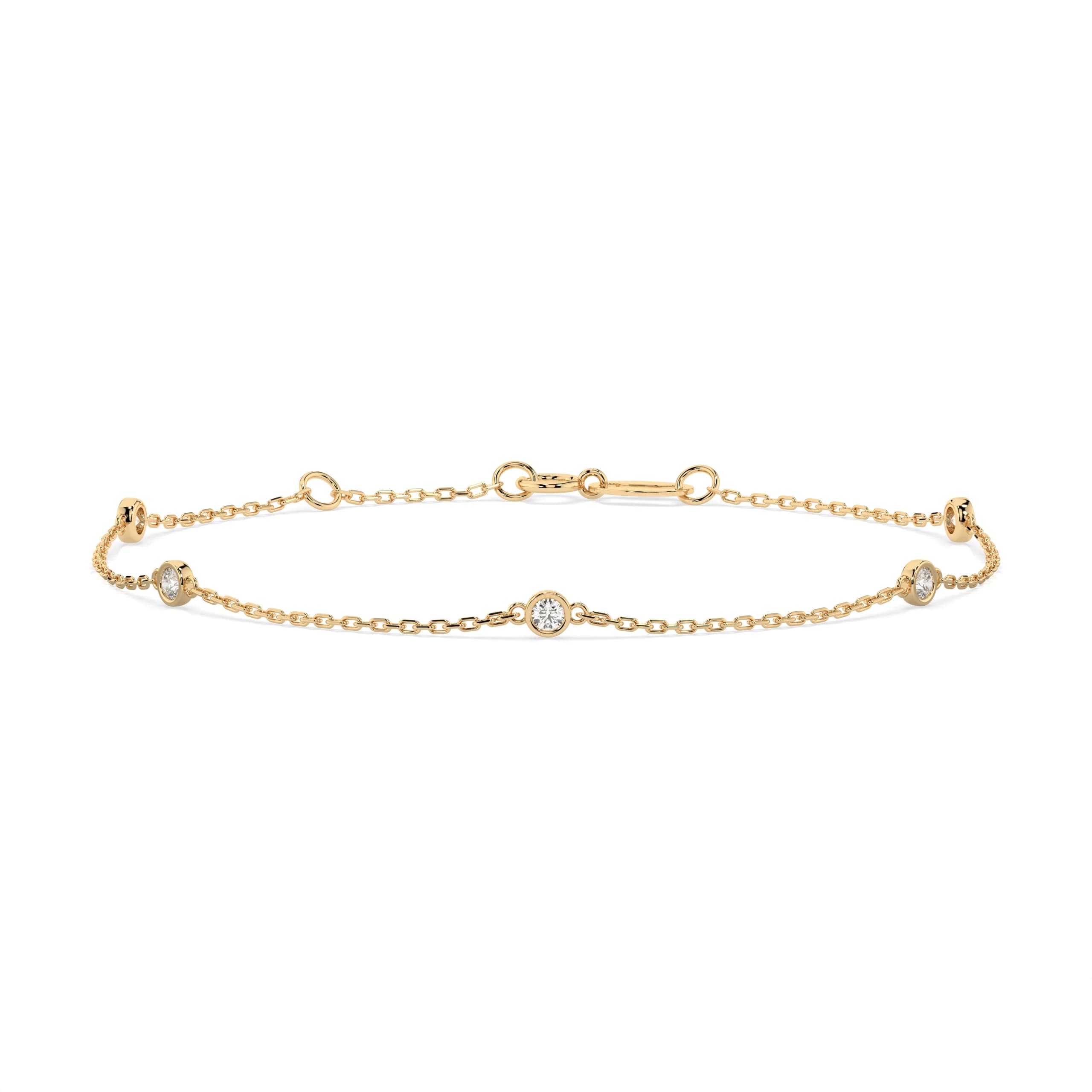
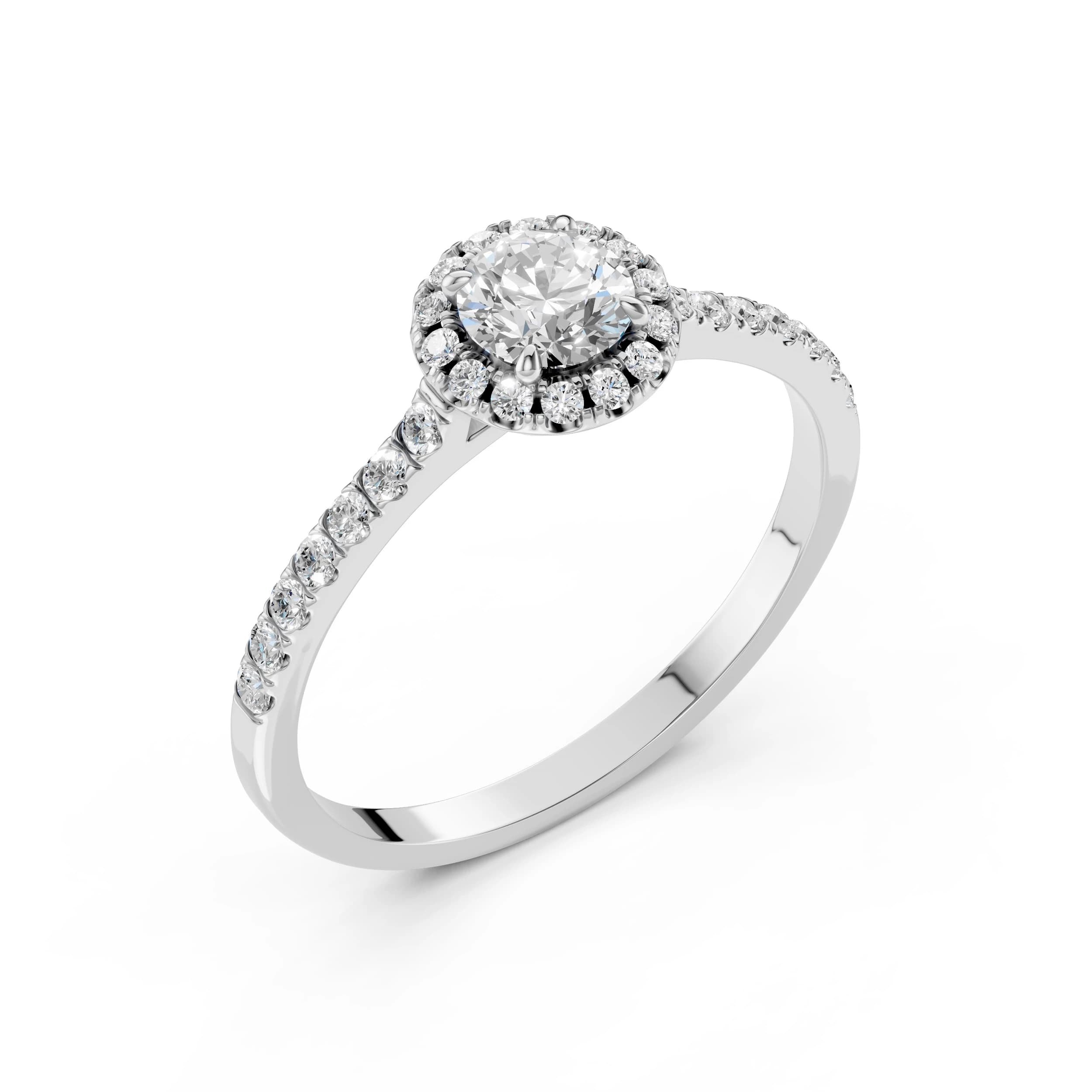
Buying guides
14k vs 18k Gold: Which Is Better? (And Is 9k Gold Worth Buying?)
Updated · 6 min read
Is 14k or 18k gold better?
Neither is better for everyone. 14k gold (58.5% pure gold, hallmarked 585) is harder and more scratch-resistant and costs less, so it is the best choice for engagement rings and jewellery worn every day. 18k gold (75% pure gold, hallmarked 750) has a deeper, richer colour, contains more gold and is gentler on very sensitive skin, but it is a little softer and more expensive. 9k gold (37.5% pure gold, hallmarked 375) is real solid gold and well worth buying when you want the lowest price and a hard-wearing piece; its colour is slightly paler. All three are solid gold and last for decades.
9k vs 14k vs 18k gold at a glance
| 9k gold | 14k gold | 18k gold | |
|---|---|---|---|
| Pure gold | 37.5% | 58.5% | 75% |
| Hallmark | 375 | 585 | 750 |
| Yellow gold colour | Paler, softer yellow | Warm, classic yellow | Deep, rich yellow |
| Scratch resistance | High | High | Good, a little softer |
| Sensitive skin | Fine for most people | Fine for most people | The gentlest of the three |
| Price for the same piece | Lowest | Middle | Highest |
| Best for | Gifts, first gold pieces, tight budgets | Engagement rings, everyday wear | Special pieces, the richest colour |
Pure gold is 24 karat, and it is too soft for jewellery on its own, so it is mixed (alloyed) with other metals such as silver, copper and zinc. The karat number tells you how many parts out of 24 are pure gold: 18k is 18 parts gold, 14k is 14 parts, 9k is 9 parts. The basics are in our gold guide; this article helps you decide.
What is the real difference between 14k and 18k gold?
There are four differences, and only one of them is visible.
- Gold content: 18k contains 75% pure gold and 14k contains 58.5%. That is why 18k costs more and feels slightly heavier in the hand.
- Colour: in yellow and rose gold, 18k is deeper and more saturated; 14k is a touch lighter. Side by side you can see it; apart, most people can't. In white gold there is almost no visible difference, because white gold is finished with a bright rhodium coating in every karat.
- Hardness: 14k has more alloy metal, which makes it harder. It resists scratches and knocks a little better than 18k, which matters most on rings.
- Price: more gold means a higher price for the same design.
What does not change: both are solid gold all the way through, both can be polished, resized and repaired by a jeweller, and neither will rust or wear through to another metal as plated jewellery can.
Which is more durable for everyday wear?
14k gold. Pure gold is a soft metal, so the more of it in the mix, the more easily the surface marks. 18k is by no means fragile, and it has been used for wedding rings for generations, but over years of daily wear it picks up fine scratches a little sooner, and slim prongs wear slightly faster.
Where you wear the piece matters more than the karat:
- Rings and bracelets take the most knocks (door handles, desks, weights at the gym). 14k is the practical choice, especially for an engagement ring worn every day.
- Necklaces and earrings hardly touch anything, so 18k wears beautifully for a lifetime.
Whichever you choose, take rings off for heavy work, and see can you shower with gold jewellery? for water, chlorine and care.
How much more does 18k gold cost than 14k?
It depends on how much of the price is gold and how much is diamond. Here are four Azure Chic pieces, each priced in all three golds with exactly the same diamond:
| Piece | 9k gold | 14k gold | 18k gold |
|---|---|---|---|
| Kyra diamond studs, 0.12 ct lab-grown | €390 | €540 | €660 |
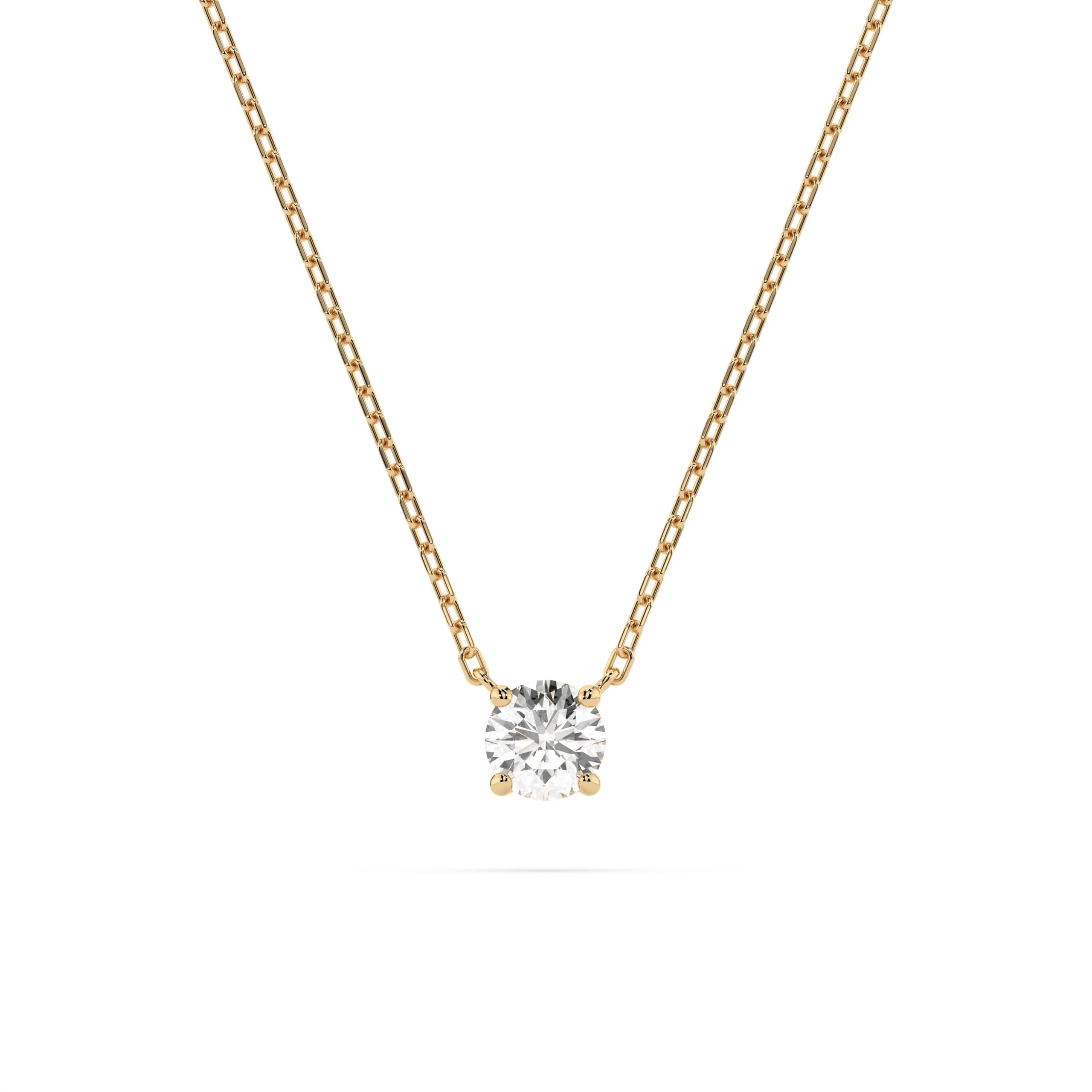
| Kyra solitaire necklace, 0.15 ct lab-grown | €520 | €720 | €880 |
| Thalia solitaire ring, 0.50 ct lab-grown | €910 | €1,170 | €1,380 |
| Thalia solitaire ring, 1.00 ct natural G/VS2 | €9,410 | €9,680 | €9,890 |
Two things stand out. On gold-led pieces such as studs and pendants, the karat changes the price noticeably. On a ring with a large natural diamond, the diamond is most of the price, so moving from 14k to 18k adds very little in proportion. For more examples, see gold jewellery prices in Cyprus.
Is 9k gold worth buying?
Yes, if price and toughness matter more to you than the deepest colour. 9k gold is real, solid gold: 37.5% pure gold, hallmarked 375, and the traditional everyday gold in the UK and Ireland.
Why people choose 9k
- It is the most affordable way to own solid gold with a real diamond, from €480 for a pendant necklace or €390 for diamond studs at Azure Chic.
- It is hard and stands up well to daily wear.
- Unlike gold plating, the colour goes all the way through, so it never wears off.
What to know before you buy
- The yellow is paler and less "golden" than 14k or 18k. In white gold the difference is hard to see.
- It contains more alloy metal, so over many years it can dull slightly and may need a polish to bring back the shine.
- People who react to metals other than gold are more likely to be comfortable in 14k or 18k.
- It contains the least gold, so its metal value is the lowest of the three.
Our honest view: 9k is a very good choice for a gift, a first piece of real gold or earrings and pendants on a budget. For a ring you will wear for decades, we suggest stretching to 14k if you can.
Which gold is best for an engagement ring?
14k is our recommendation for most engagement rings: a rich colour, hard enough for a ring worn every day, and prongs that hold the diamond securely for years. It also leaves more of your budget for the diamond, which is what everyone notices.
Choose 18k if you love the deepest yellow or rose colour, if 18k is the tradition in your family or country, or if she has very sensitive skin. Choose 9k if the budget is tight and you would rather put the money into a better diamond.
Colour is a separate choice from karat: white gold makes a diamond look whitest, yellow is classic, and rose is warm and romantic. See how to choose an engagement ring for the full step-by-step, or browse engagement rings, each available in all three golds and colours.
Which gold is best for sensitive skin?
Reactions to jewellery are almost never caused by gold itself. They are usually caused by other metals in the alloy, most often nickel. So the higher the karat, the less alloy metal there is to react to, and 18k is the gentlest of the three. Most people wear 14k and 9k without any problem.
If you have a known nickel allergy, choose 14k or 18k, and consider yellow or rose gold, whose alloys are traditionally made with silver and copper. Jewellery sold in the EU must also meet strict limits on how much nickel it can release onto the skin.
Solid gold of any karat is a much safer choice for sensitive skin than plated base-metal jewellery. If you prefer silver, see the benefits of 925 sterling silver.
How do I choose between 9k, 14k and 18k?
- You want the lowest price for real gold: 9k.
- It is a ring or bracelet you will wear every day: 14k.
- You want the best balance and can't decide: 14k.
- You want the richest yellow or rose colour: 18k.
- You have very sensitive skin: 18k.
- It is a necklace or earrings for special occasions: 18k is a lovely upgrade; 14k is still excellent.
- You are choosing white gold: the karats look almost the same, so let durability and budget decide.
At Azure Chic every Fine Jewellery piece can be ordered in 9k, 14k or 18k, in white, yellow or rose gold, and the price for each option is shown on the product page before checkout. One practical point: pieces in 14k gold with a G/SI natural or lab-grown diamond are ready to ship within 3 business days; other gold and diamond combinations are made to order and dispatched within 10 business days. Delivery is free and insured, and unworn pieces can be returned within 30 days (rings must not have been resized). Questions? Message us on WhatsApp.
Frequently asked questions
Is 14k or 18k gold better?
14k gold is better for durability and price: it is harder, more scratch-resistant and costs less, so it suits engagement rings and everyday jewellery. 18k gold is better for colour and purity: it contains 75% pure gold, looks richer in yellow and rose, and is gentler on very sensitive skin.
Is 9k gold real gold?
Yes. 9k gold is solid gold alloy containing 37.5% pure gold, hallmarked 375. It is the most affordable karat, hard-wearing, and the colour runs all the way through, so it does not wear off like gold plating.
Can you tell the difference between 14k and 18k gold by looking?
Only side by side, and only in yellow or rose gold, where 18k looks slightly deeper and richer. In white gold the two look almost identical because both are finished with rhodium. The reliable way to tell is the hallmark: 585 for 14k and 750 for 18k.
Does 14k gold tarnish?
Solid 14k gold does not rust or flake, and it keeps its colour for decades. Like all gold alloys it can dull a little with soap, lotion and daily wear; warm water, mild soap and a soft brush bring the shine back.
Does 18k gold scratch easily?
18k gold is a little softer than 14k, so it picks up fine surface scratches slightly sooner, mainly on rings and bracelets. They are cosmetic, and a jeweller can polish them out. On necklaces and earrings the difference is rarely noticeable.
How much more expensive is 18k gold than 14k?
It depends on the piece. At Azure Chic the Kyra 0.15 ct lab-grown diamond necklace is €720 in 14k gold and €880 in 18k. On rings with a large diamond the gap is smaller in proportion, because the diamond makes up most of the price.
Which gold karat is best for an engagement ring?
14k gold is the best all-round choice for an engagement ring: rich colour, hard enough for daily wear and better value. Choose 18k for the deepest colour or very sensitive skin, and 9k to keep the price as low as possible.
First published by the Azure Chic team in Limassol, Cyprus. Questions? Email sales@azurechic.com.